Selected research topics
We introduce some of the representative research topics currently being pursued in our laboratory.
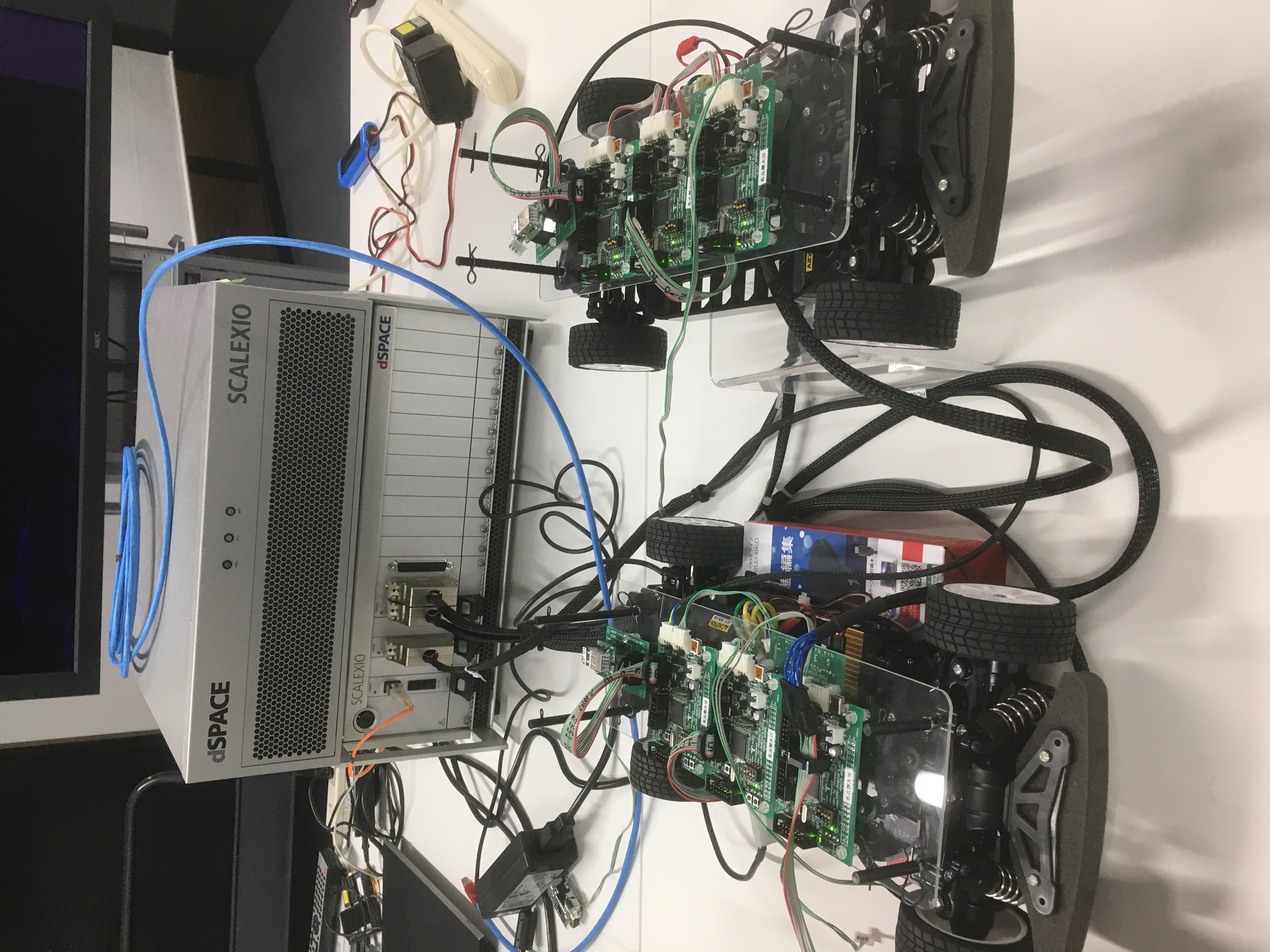
Automotive Cybersecurity
We study cybersecurity for automotive systems, including in-vehicle networks, ECUs, intrusion detection, and threat analysis.
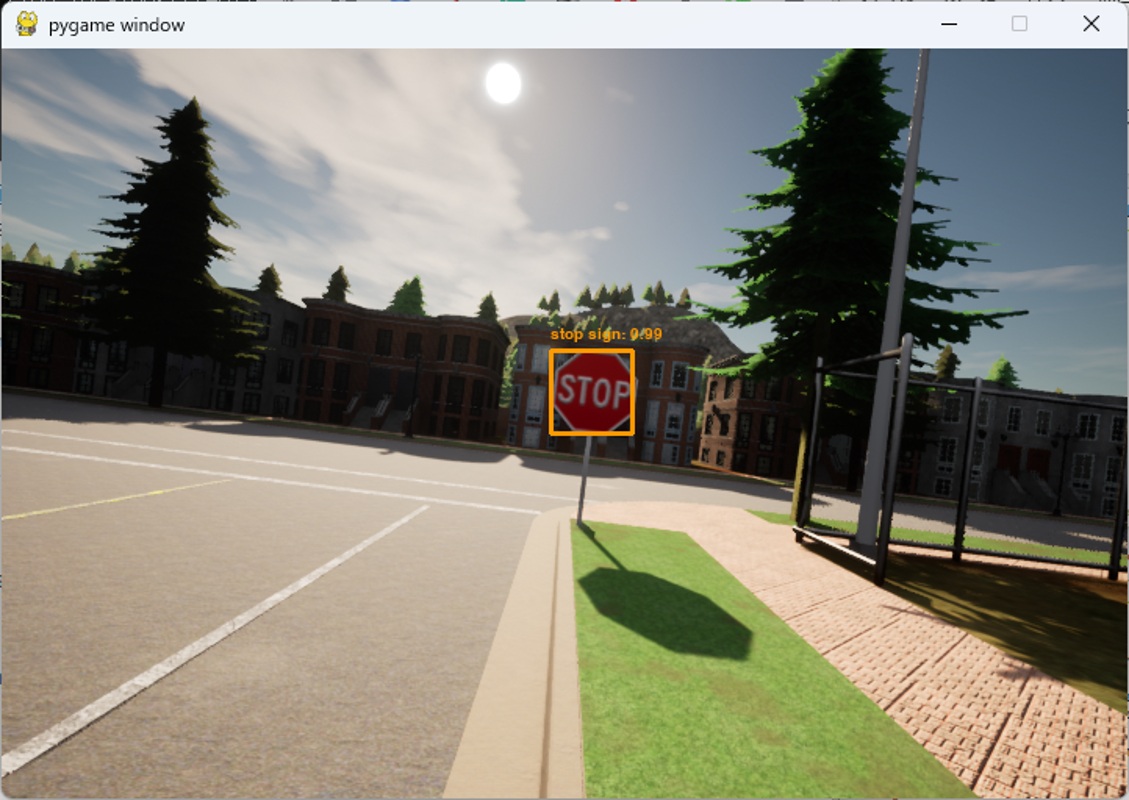
AD/ADAS Evaluation
We study safety and dependability evaluation of automated driving and advanced driver assistance systems using simulation and scenario-based testing.
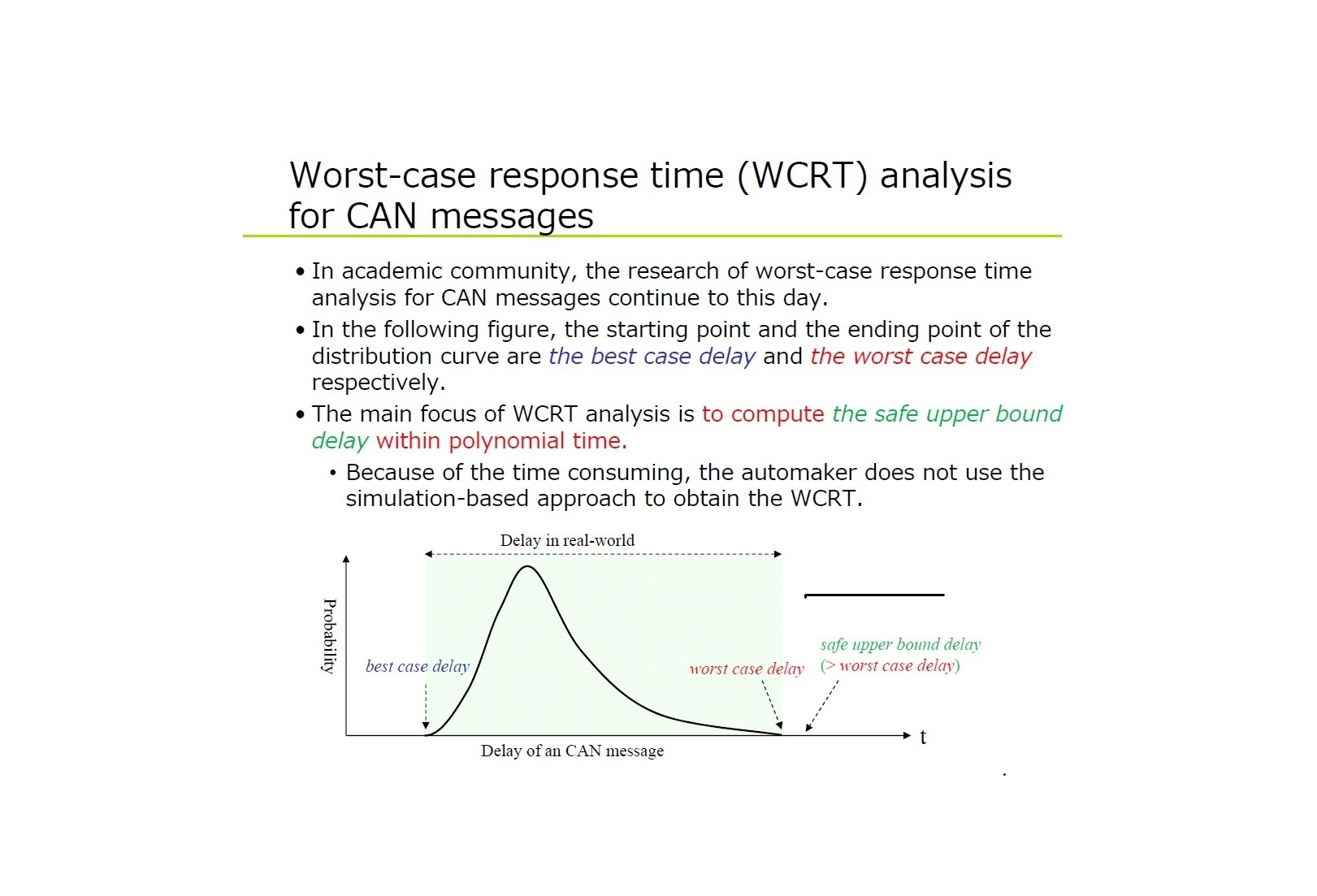
Schedulability Analysis
We study response-time analysis, schedulability analysis, and end-to-end delay analysis for real-time systems.
Automotive Cybersecurity and In-Vehicle Network Security
Our research addresses cybersecurity across the entire automotive system, from in-vehicle networks to ECUs and automotive software.
Automotive Cybersecurity
Ongoing
Our research covers not only in-vehicle networks such as CAN and CAN FD, but also ECUs, automotive software, threat analysis, intrusion detection, and other aspects of cybersecurity for automotive systems.
In particular, we investigate attack detection in in-vehicle networks, identification of CAN IDs and ECUs involved in attacks, anomaly detection, and evaluation of attack resilience, with an emphasis on practical application to real automotive systems.
Faculty
 Ryo Kurachi
Students
Automated Driving and ADAS Evaluation
We study safety and dependability evaluation of automated driving and advanced driver assistance systems using simulation, test scenarios, and virtual evaluation environments.
AD/ADAS Evaluation
Ongoing
For automated driving and advanced driver assistance systems (ADAS), it is essential to evaluate system safety and dependability under a wide variety of traffic environments and driving conditions.
In this research area, we use automated driving software such as Autoware, simulators, and test scenarios to evaluate system behavior, safety under abnormal conditions, and scenario-based testing of automated driving systems.
Faculty
Ryo Kurachi
Students
Real-Time Systems and Schedulability Analysis
We study timing constraints for tasks and communications in real-time systems, including response-time analysis and schedulability analysis.
Schedulability Analysis
Ongoing
In real-time systems, it is not sufficient for a computation to produce the correct result; the result must also be produced within the required time constraints.
We study analytical techniques for task scheduling and in-vehicle network communication, including Worst-Case Response Time, Schedulability Analysis, and End-to-End Delay Analysis.
Our research targets automotive networks such as CAN and CAN FD, gateway-based networks, and real-time software distributed across multiple ECUs, with the goal of designing safe and dependable systems under strict timing constraints.
Faculty
Ryo Kurachi